
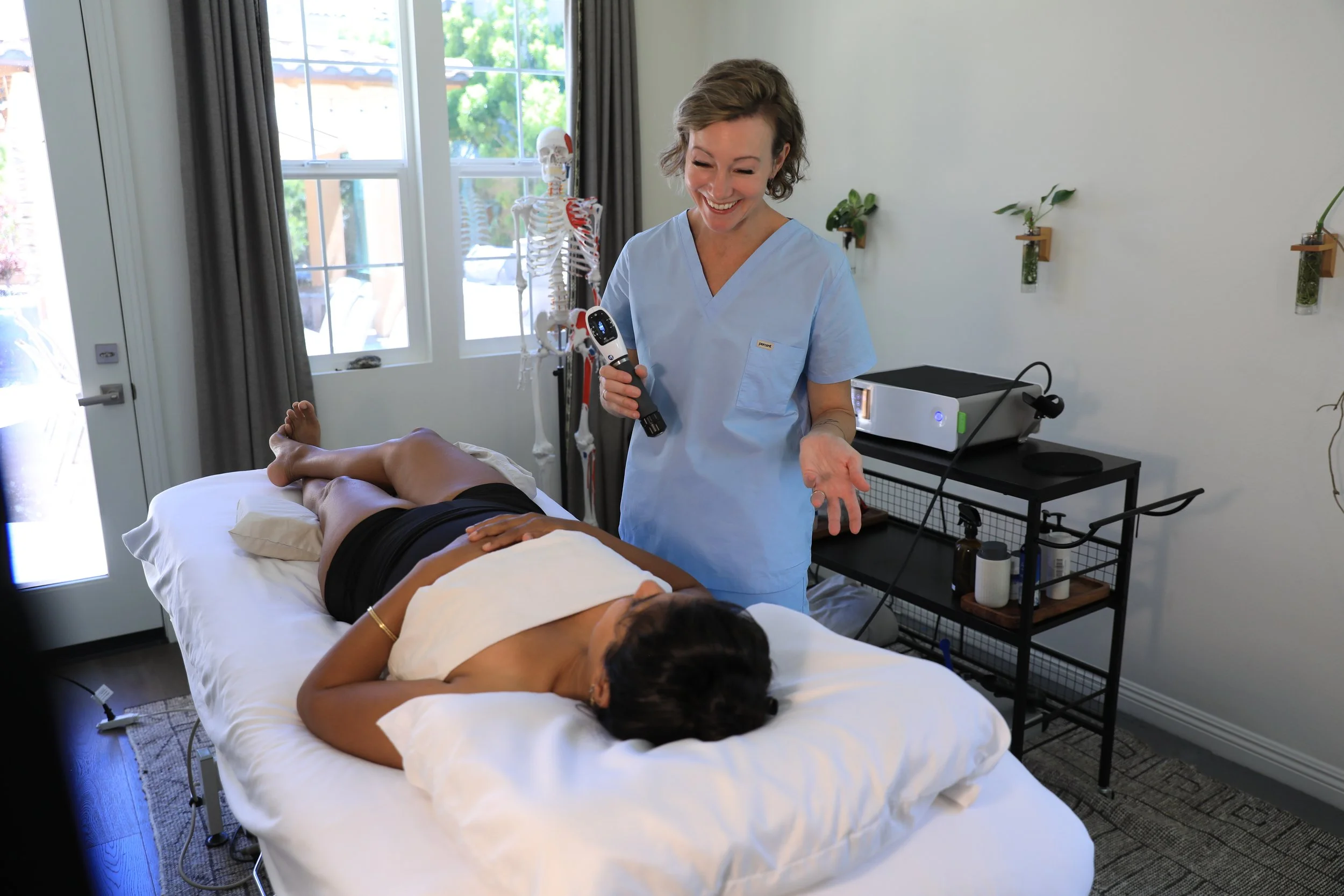
Treatments
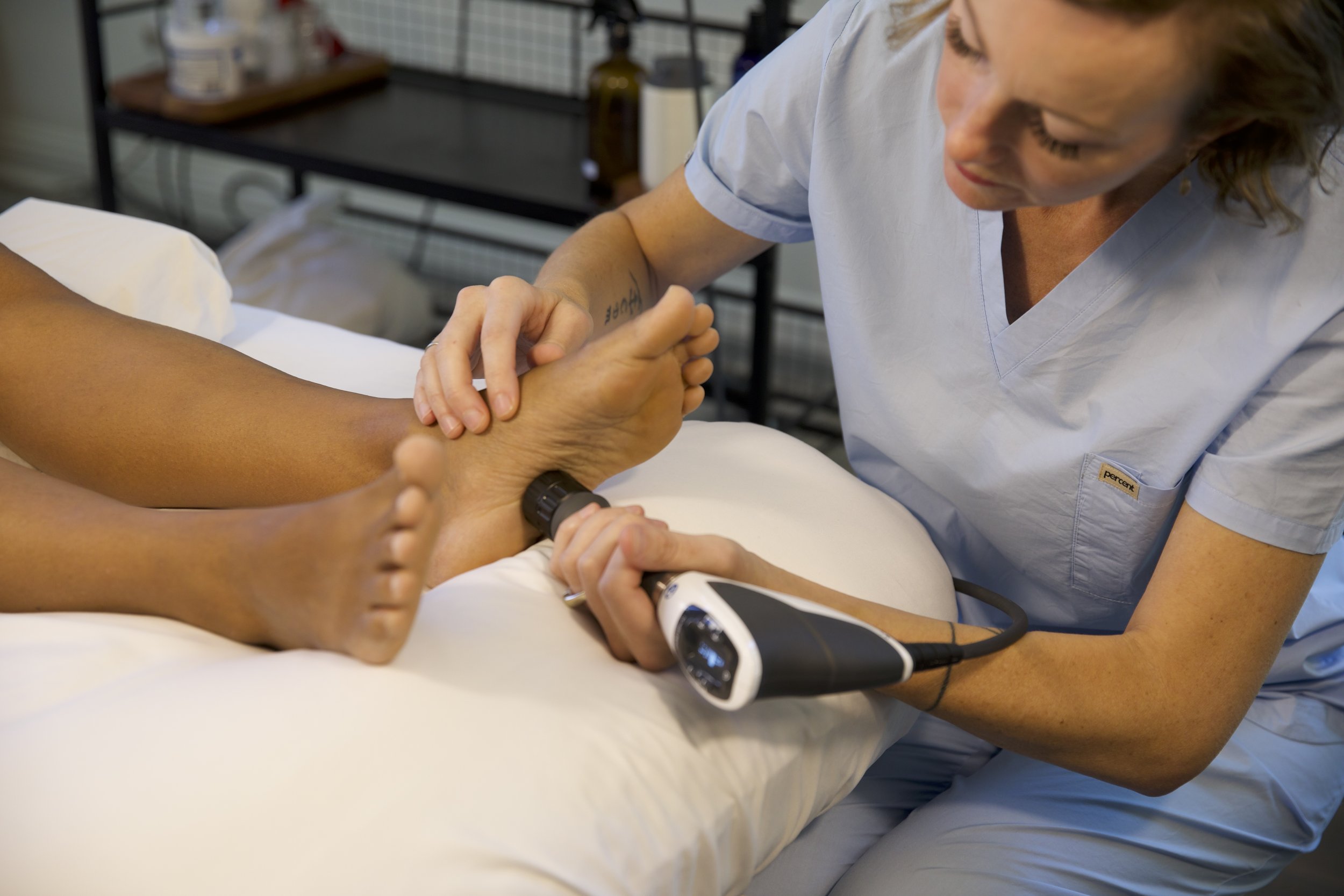
FOOT / PLANTAR FASCIITIS
SYMPTOMS
Plantar fasciitis is pain in the bottom of the foot. From a dull ache to sharp discomfort, or even a burning sensation in the foot and heel area. It often can feel especially intense after rest, such as when taking your first steps in the morning and can worsen with prolonged standing, walking, or running. Many also notice stiffness in the foot’s arch or tenderness when pressing on the heel.
THERAPY PROTOCOL
My approach is working the muscles in the foot as well as up into the calf area, by the knee called peroneus or fibularis as it goes all the way to the foot. The way we walk can contribute to the way we distribute weight onto the foot. The calf muscles lead into the foot muscles, therefore it is important to zoom out and look at the issue in surrounding areas as well as the acute pain location.
Clinical Studies
Chronic plantar fasciitis treated with two sessions of radial extracorporeal shock wave therapy
Radial shockwave therapy (RSWT) and EPAT demonstrate success rates of 60-98% for chronic plantar fasciitis, with sustained benefits extending beyond 24 months and minimal recurrence. Multiple randomized controlled trials confirm superior outcomes compared to placebo and conventional treatments, establishing RSWT as an evidence-based first-line therapy for refractory cases.
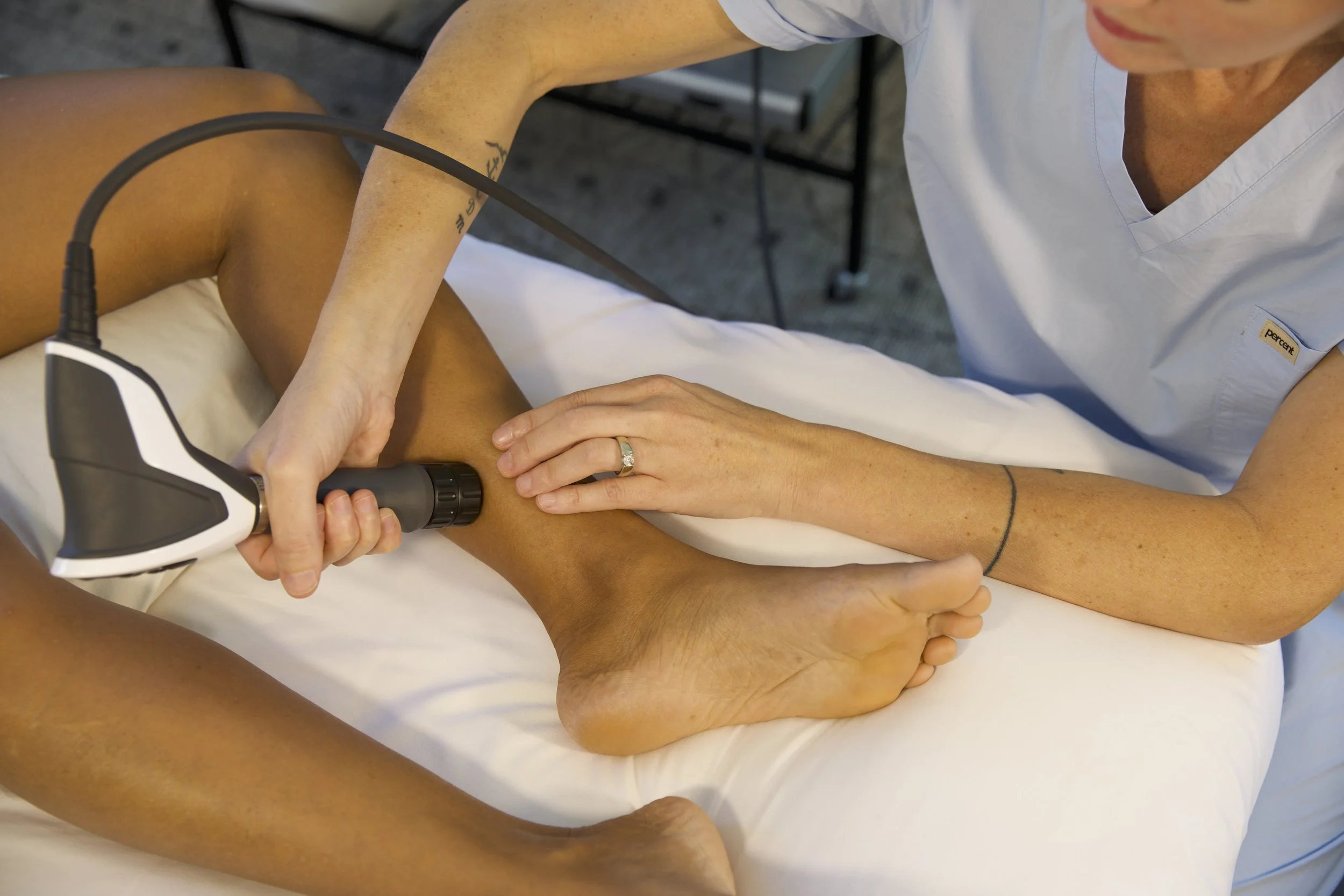
ANKLE / CALF PAIN / ACHILLES TENDONOPATHY
SYMPTOMS
Ankle Pain can be discomfort, aching, or sharp sensation occurring in or around the ankle joint. It may present as sharp or stabbing pain during movement or weight-bearing activities. Dull ache, or throbbing pain at rest or activity. There may be swelling or stiffness, with restricted motion. Instability or “giving way” when walking or moving. CalfPain is discomfort or aching located in the back or front or side area between the knee and ankle. It can also continue up the chain of the leg or down into the foot. It can be a dull ache, or tightness especially after prolonged standing, walking, or exercise. It could also be sharp, stabbing, or cramping sensation during movement or even a burning throbbing or heaviness in the area. In some cases, calf pain may indicate more serious concerns such as a muscle tear. Achilles tendonopathy often causes pain and stiffness along the back of the ankle or lower calf, particularly where the Achilles tendon connects to the heel. You may feel a dull ache, burning sensation, or sharp discomfort, especially during or after activities like walking, running, or climbing stairs. The pain can be more pronounced in the morning or after periods of rest, and you might notice tenderness when touching the tendon or mild swelling in the area.
THERAPY PROTOCOL
These issues all need their own special category, and where they can be treated independently, I look at them as neighbors! Looking at the whole picture of the calf area is important to a successful recovery.
Clinical Studies
Radial shockwave therapy demonstrates 52-98% success rates for Achilles tendinopathy, with particularly strong outcomes when combined with eccentric exercises. Evidence shows sustained improvements extending to 24 months post-treatment, with minimal adverse effects and low recurrence rates.
https://pubmed.ncbi.nlm.nih.gov/21406328/https://pubmed.ncbi.nlm.nih.gov/22447002/
Calf strain:
https://pmc.ncbi.nlm.nih.gov/articles/PMC3711703/
Shin splints / front of the calf pain / Tibial stress syndrome:
https://pubmed.ncbi.nlm.nih.gov/27640922/https://www.sciencedirect.com/science/article/pii/S174391911731244X
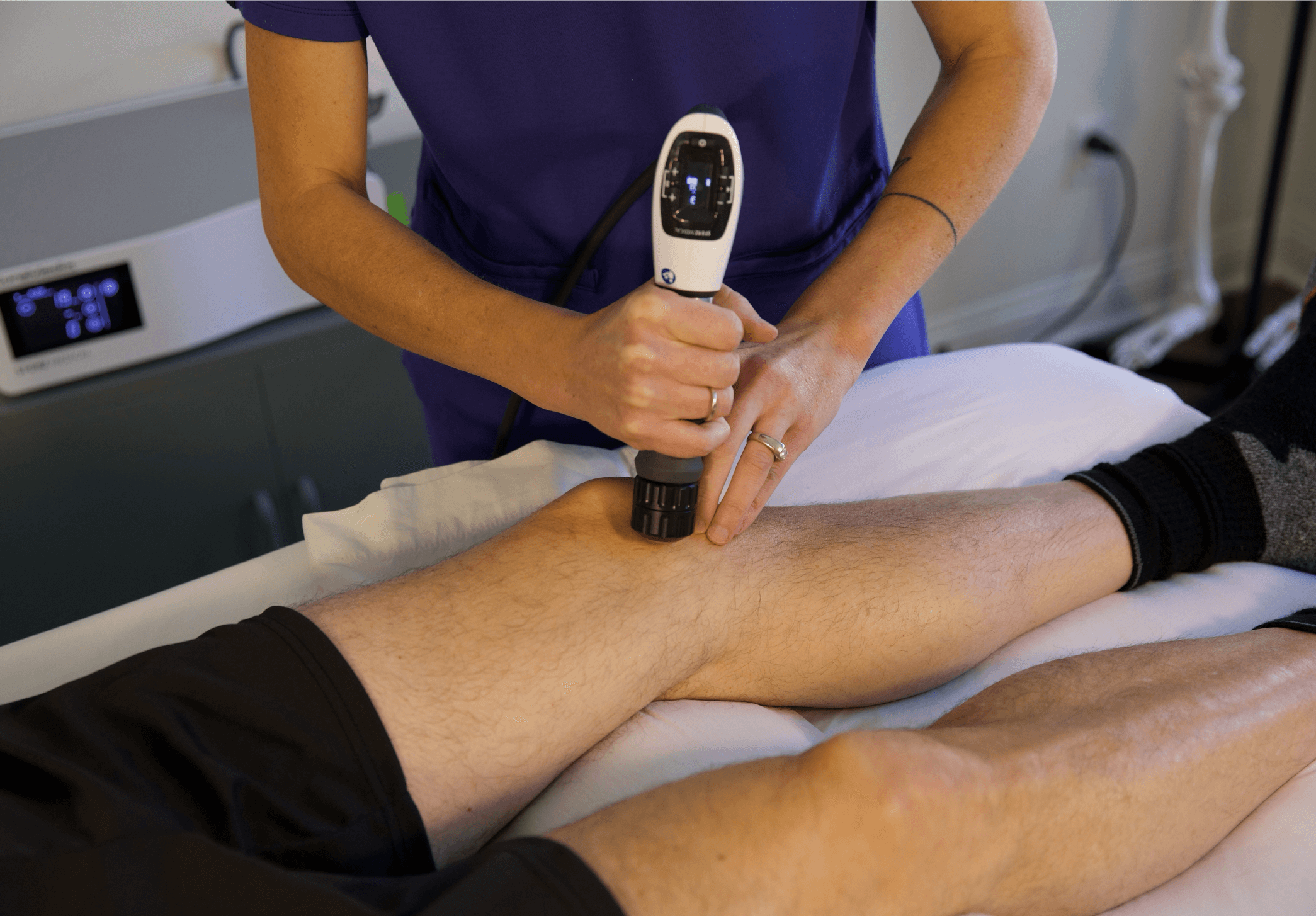
KNEE / LEG
SYMPTOMS
Knee pain refers to discomfort, aching, sharp or soreness in or around the knee joint. It can occur on the inside, outside, behind the knee, or beneath the kneecap and may vary in intensity, location, and sensation depending on the underlying cause. At times, the knee may also feel weak or unstable, as if it might give way.
THERAPY PROTOCOL
Depending on where the pain is located, I often trace the muscle chain upward toward the hip or downward toward the foot. The knee relies on strong, supportive muscles attached to it for stability and movement. When these muscles become overworked or imbalanced, the joint can feel weak, stiff, or simply out of alignment—and restoring proper muscle tension can help bring relief and support back to the area.
Clinical Studies
The evidence strongly supports radial shockwave therapy as an effective treatment for various knee pain conditions, with success rates generally ranging from 65-85% across different pathologies, according to studies. Radial Extracorporeal Shockwave Therapy Reduces Subchondral Osteoblast Senescence in Knee Osteoarthritis.
https://pubmed.ncbi.nlm.nih.gov/40673558/https://pmc.ncbi.nlm.nih.gov/articles/PMC11641908/?utm_source=chatgpt.com
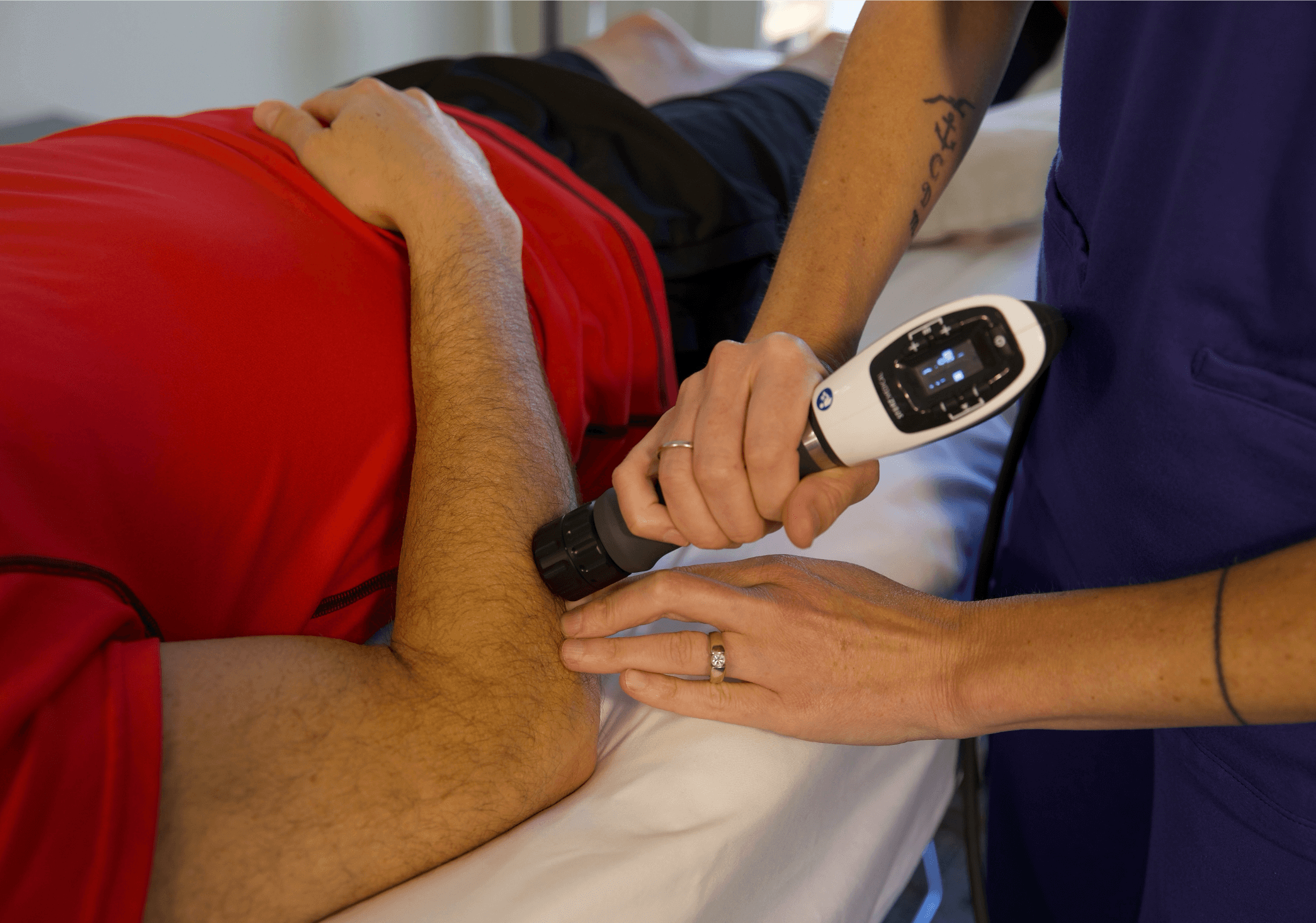
HAND / FOREARM / GOLFERS ELBOW / TENNIS ELBOW
SYMPTOMS ️& THERAPY PROTOCOL
Hand pain can be achy or stiff, especially into the fingers, thumb or knuckles. Burning, tingling, or numbness, often due to nerve involvement (e.g., carpal tunnel syndrome). Swelling or tenderness and often a general feeling of weakness. Reduced dexterity or difficulty with fine motor tasks like buttoning or writing or picking up an object no matter how light it is. Difficulty or sharp pain when gripping, pinching, or using the hand repetitively.
Arm Pain can be localized or radiate from the neck or shoulder and oftentimes go into the elbow down to the wrist or hand. It can be dull or throbbing pain in the upper or lower arm. Sharp, shooting pain when lifting, pulling, or gripping. Muscle fatigue or weakness during repetitive tasks. Numbness or tingling, often related to nerve irritation.
Tennis Elbow also known as Lateral Epicondylitis is the irritation of the tendons on the outside of the elbow, often due to repetitive wrist extension or gripping. The discomfort often starts at the elbow and radiates into the forearm or wrist. It is painful generally when gripping, shaking hands, or lifting objects, especially with the palm facing down. There is a general feeling of weakness in the hand or grip strength.
Golfer’s elbow, or medial epicondylitis is an overuse injury that affects the tendons on the inside of the elbow, where the forearm muscles attach. It is typically caused by repetitive wrist flexion, gripping, or forearm rotation. Despite its name, golfer’s elbow isn’t limited to golfers — it can affect anyone who uses repeated wrist, hand, or forearm motions, such as throwing, lifting, typing, or racquet sports. You may experience stiffness, weakness, tingling or numbness, or pain when lifting even light objects Therapy Protocol The muscles that control your hand don’t just stop at the wrist—they actually run all the way up to the elbow. Because these muscles are so closely connected, tension in the forearm can easily cause pain in the hand, wrist, or elbow. To get real, lasting relief, it’s important to treat the whole chain of muscles, starting at the elbow (where they begin) and working down to the hand. By releasing tension along this pathway, the entire area can feel more relaxed, balanced, and comfortable.
Clinical Studies
https://pubmed.ncbi.nlm.nih.gov/16175767/https://pubmed.ncbi.nlm.nih.gov/35078486/
https://he02.tci-thaijo.org/index.php/HSJT/article/view/263551?utm_source=chatgpt.com
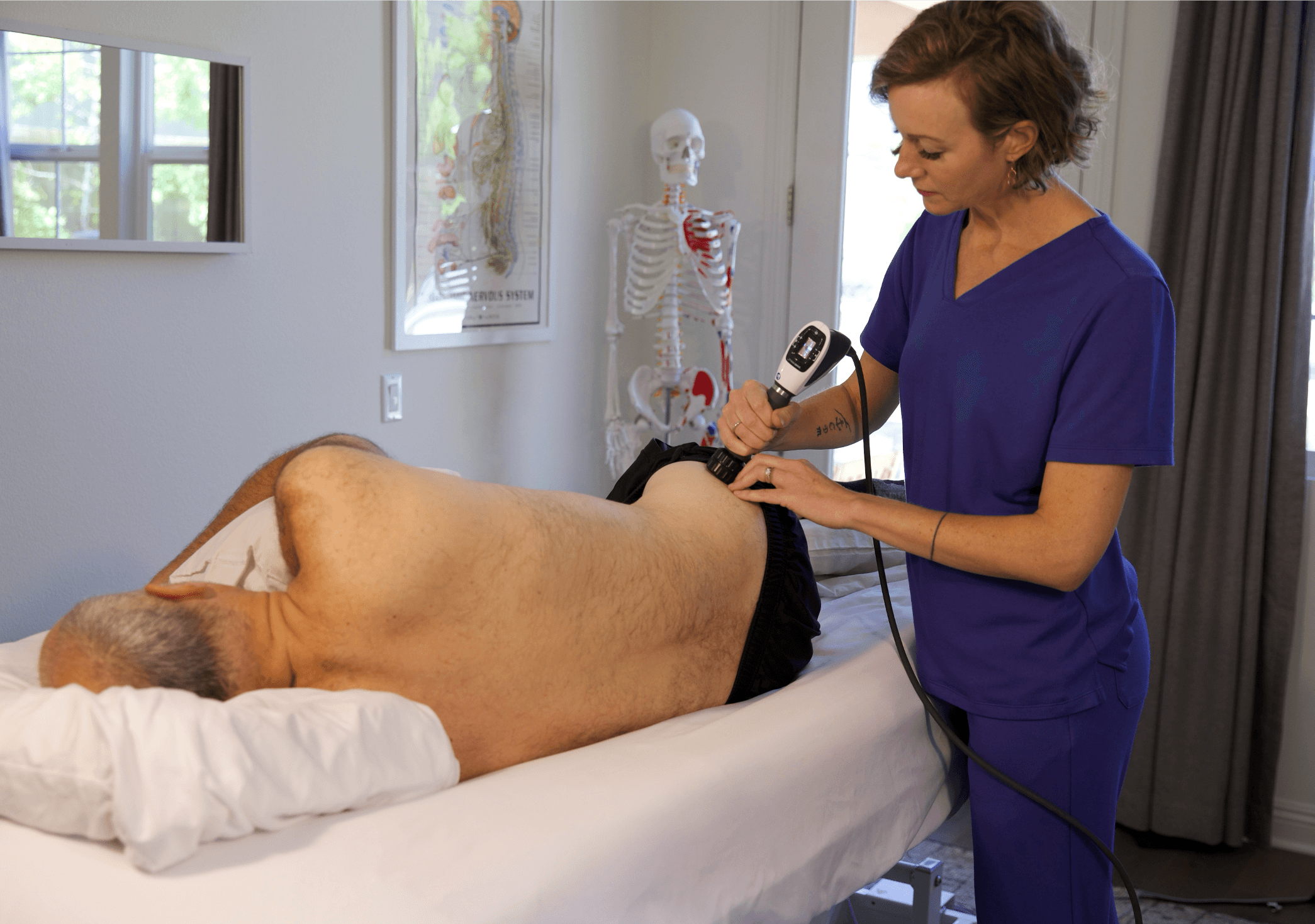
HIP / SCIATICA
SYMPTOMS
Hip pain can be sharp, stabbing pain during certain movements such as walking, standing, or twisting. A dull, deep ache that persists during rest or after activity. Throbbing or burning sensations deep in the hip or surrounding areas. Tightness or stiffness, particularly after sitting for long periods. Radiating pain that travels down the thigh, pain in the groin, or toward the buttock. Clicking, popping, or a feeling of the hip "catching" or giving out during movement. You may have the classic sciatic pain where the pain is mid-glutel region down the back of the leg and often times into the calf or foot. Diagnosis may be: Osteoarthritis, labral tears, impingement, Tendinitis, strains, overuse injuries, bursitis, sciatica, gait imbalances, nerve compressions.
THERAPY PROTOCOL
Whatever the diagnosis may be, the hip has a big job and is loaded with larger muscles that can easily become overly contracted and tense. Once I understand where the pain is, the puzzle pieces move into place quickly. There are a lot of different areas of the hips, and can be multiple locations of pain, but this is good, because it is like a domino effect, as they will help to support the general health of the attachments to have overall health and support.
Sciatic pain happens when the sciatic nerve, which runs from the lower back down the leg, becomes irritated or compressed. While the nerve starts in the low back, the discomfort is often felt in the mid-gluteal area and can travel down the leg, sometimes reaching the calf or even the foot. This is because the sciatic nerve branches at the knee into the common peroneal and tibial nerves. Sciatica often feels like a sharp, burning, or tingling pain and may be accompanied by numbness or weakness. The pain can range from mild to severe, often worsening with certain movements. Living with sciatic pain can be frustrating and, at times, all-encompassing, but it’s a common condition many people experience.
THERAPY PROTOCOL
Even though the sciatic nerve begins in the lower back, the pinch point where pain is often felt is in the mid-gluteal region. While the piriformis muscle is commonly blamed, several other muscles in this area can also contribute. Because the sciatic nerve is such a large structure, tight or spasming muscles around it can create intense, radiating pain. Once the tension in these muscles is released, relief can be dramatic. If needed, treatment can also be carried down the leg, even as far as the foot, to ease pressure along the nerve’s pathway.
Clinical Studies
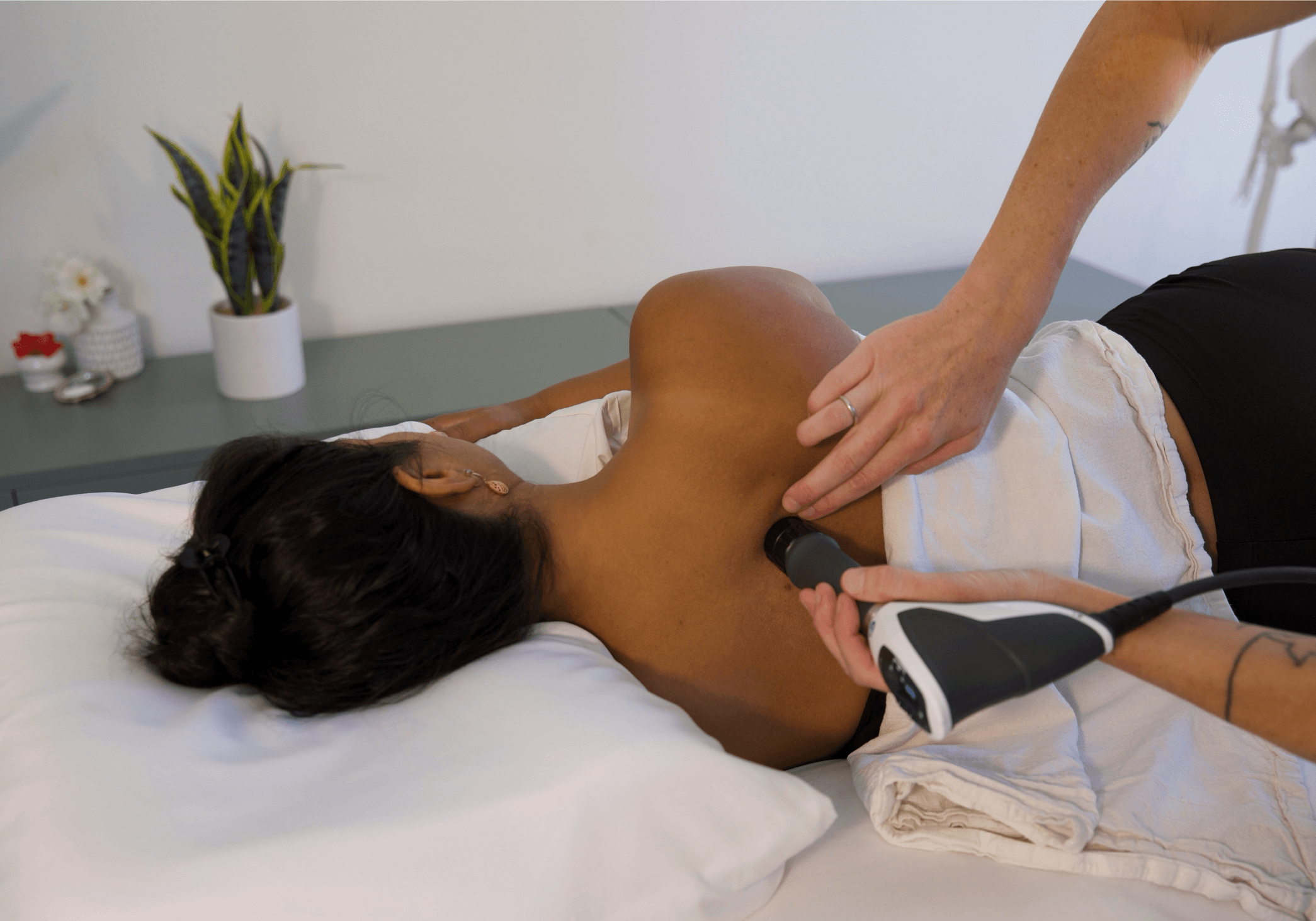
BACK / SHOULDER
Back pain is one of the most common concerns people face and it can show up in many ways—from a dull, nagging ache to sharp, shooting, or radiating discomfort. It may be felt in the lower, mid, or upper back, and can sometimes extend into the hips, buttocks, or even down the legs. Because the back supports nearly every movement we make, even mild pain can disrupt daily life—whether that means trouble sitting, standing, sleeping, or enjoying regular exercise. Back pain often develops from muscle tension, joint strain, poor posture, or overuse, and can be worsened by stress or repetitive movements.
THERAPY PROTOCOL
The good news is that most back pain responds well to targeted treatment, which helps reduce tension, restore proper movement, and bring strength and balance back to the area. I will treat the targeted area as well as surrounding areas that support the irritated location. I take a comprehensive approach to back pain, focusing on both the muscles and joints that support your spine. Each treatment begins with a careful assessment to pinpoint areas of tension, tightness, or weakness that may be contributing to discomfort.
Shoulder pain is discomfort or soreness in the shoulder joint, muscles, tendons, or ligaments. It can have many causes, including arthritis, frozen shoulder, bursitis, rotator cuff problems, or calcification. It may also stem from overuse, injury, or even dislocation. Symptoms often include stiffness, aching, sometimes sharp or nerve-like pain, and limited range of motion, which may worsen with movement. Living with shoulder pain can be frustrating, especially when it affects daily activities, but it’s a common issue many people experience. There can be many different diagnoses for shoulder pain, but the muscle patterns that contribute to it are often straightforward, as the network of attachments can be traced back to the source. In treatment, I work through many areas of the shoulder to ensure that all the bases are covered for comfort and ease of movement—not just the spot where pain is felt. This approach helps restore balance and supports longer-lasting relief.
Clinical Studies
https://mayaphysio.ca/shockwave-therapy-for-calcific-tendinitis-of-the-shoulder/https://pubmed.ncbi.nlm.nih.gov/37027927/
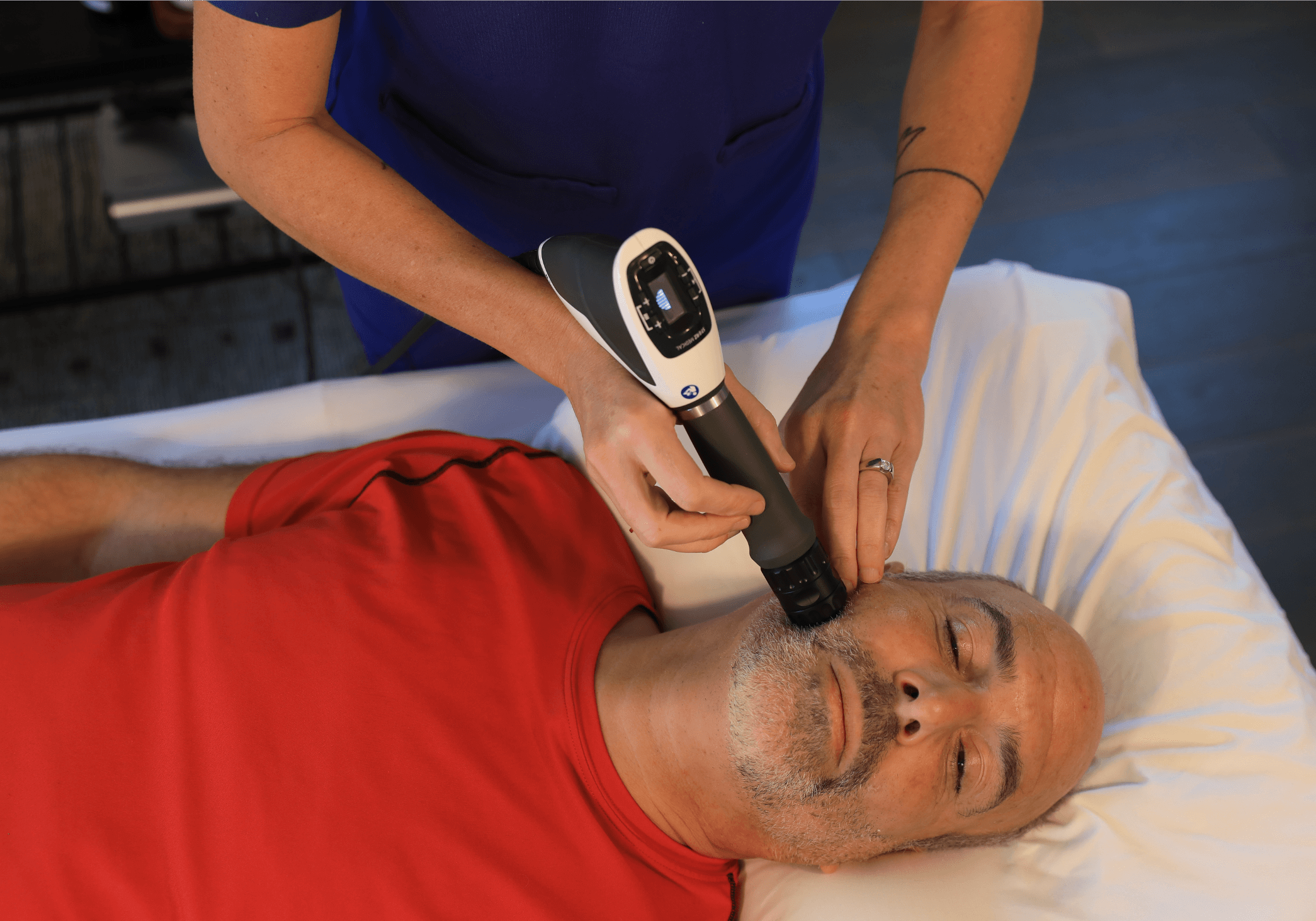
JAW / TMJ / TMD
Temporomandibular joint (TMJ) disorders can cause a range of uncomfortable symptoms that impact daily life. If you’re dealing with TMJ, you might feel pain or tenderness in your jaw, especially around the joint near your ears, which can worsen with chewing, speaking, or even yawning. It often feels like a deep, aching pressure or sharp pain that radiates to your face, neck, or shoulders. You might also experience jaw stiffness, making it hard to open or close your mouth fully, sometimes with a sensation of your jaw “locking” or getting stuck. Clicking, popping, or grinding sounds in the jaw joint are common, often accompanied by a gritty or misaligned feeling when moving your jaw. Headaches, earaches, or a sense of fullness in the ears can also creep in, adding to the frustration. For many, the discomfort ebbs and flows, but stress, teeth grinding, or even chewing tough foods can make it flare up, leaving you exhausted and seeking relief.
THERAPY PROTOCOL
The muscles responsible for chewing, or using your jaw are, the masseter, temporalis, medial pterygoid, and lateral pterygoid. The temporalis area is a large area that extends up around the ears and temples into the scalp. Yes, you have muscle all over your head! These muscles go into the jaw and are responsible for opening and closing your mouth, they have to be powerful to chew food. When they work over time, such as during the night grinding the muscles can get incredibly tight. Working these muscles all the way up into the temple area, around the ears, as well as into the neck and upper back can alleviate the constant holding of tension.
Clinical Studies
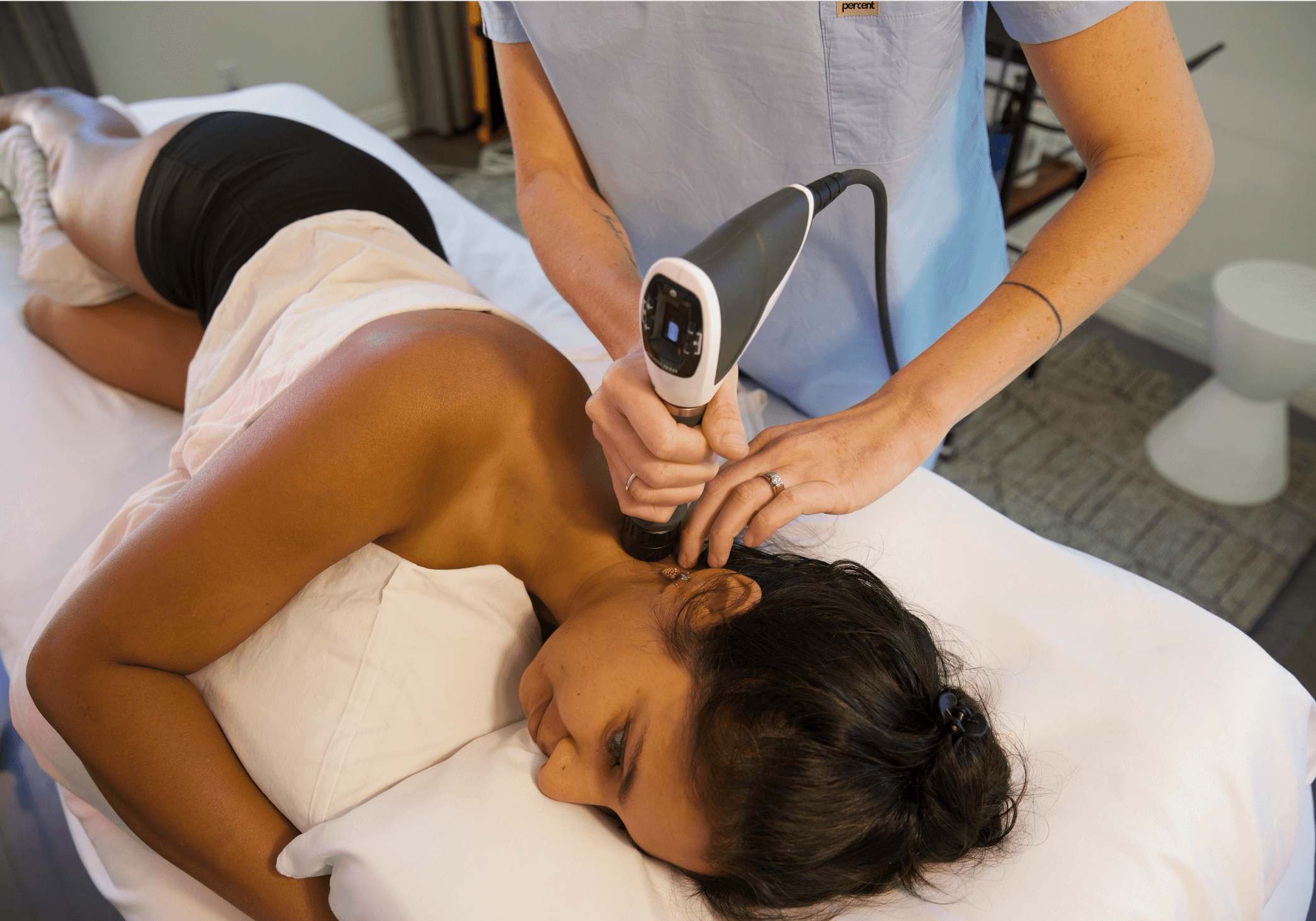
FACE AND NECK REJUVENATION
Are you looking for firmer, more radiant skin — naturally? Acoustic Wave Therapy (AWT). It is a non-invasive treatment that uses high-energy sound waves to stimulate the skin and underlying tissues. Originally developed for medical and musculoskeletal applications, this technology has been adapted for aesthetic use, offering a natural approach to facial and neck rejuvenation without surgery or downtime. The acoustic waves create gentle mechanical vibrations that travel through the skin to deeper layers, enhancing blood flow, oxygenation, and cellular activity. This process triggers the body’s natural repair response, encouraging tissue regeneration and improving overall skin vitality. One of the key effects of Acoustic Wave Therapy is the stimulation of collagen production. The waves activate fibroblast cells — the skin’s natural collagen-producing cells — which increases collagen turnover and supports the formation of new elastin fibers. Over time, this leads to firmer, smoother skin with improved elasticity and tone. Patients often notice a gradual improvement in skin texture and tightness as their body continues to renew collagen naturally.
THERAPY PROTOCOL
For optimal rejuvenation results, it’s important to understand that working on the face alone is not enough. The neck plays a vital role in skin health and renewal because it houses many of the body’s key lymphatic pathways. These lymph channels are responsible for helping the body remove cellular waste, excess fluid, and toxins — an essential process sometimes described as how the body “takes out the trash.” When lymphatic flow becomes sluggish, the skin can appear dull, congested, or puffy. By incorporating treatment to the neck area, Acoustic Wave Therapy helps open and stimulate these natural drainage pathways, supporting the body’s ability to clear waste and deliver fresh nutrients to the tissues. Treating both the face and neck ensures a more complete and effective rejuvenation. Acoustic Wave Therapy enhances circulation and lymphatic activity, promoting a clearer, firmer, and more radiant complexion. This whole-area approach supports the body’s natural balance, allowing the skin to look healthier and more refreshed from the inside out.
Clinical Studies
AWT https://pubmed.ncbi.nlm.nih.gov/32090488/
Focused and Radial https://pmc.ncbi.nlm.nih.gov/articles/PMC8246538/
HEADACHES
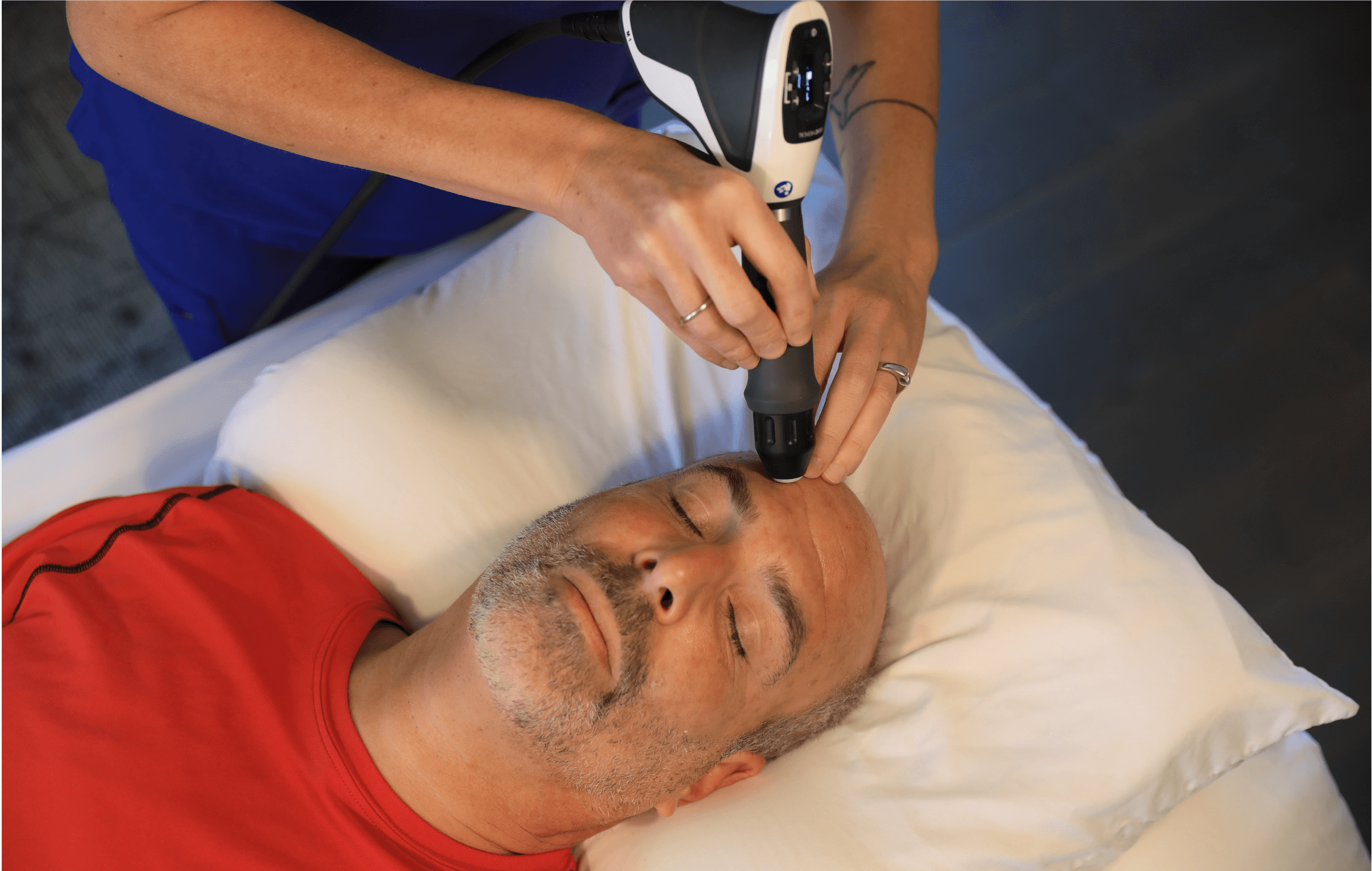
Headaches are a common condition that most people experience at some point. They can feel like a dull ache, throbbing pain, or a tight pressure around the head, temples, or neck. The intensity and location of the pain can vary widely — from mild discomfort to more persistent or severe sensations. While headaches can be caused by many factors, they are often manageable with the right care. A professional assessment can help identify the underlying cause and guide effective treatment options to relieve pain and improve overall well-being. Treatment Protocol If the headaches are a direct result of a muscular issue, this is an incredible treatment to alleviate the tension that causes headaches. In general when the shoulders and neck area, especially the muscles around the vagus nerve and suboccipital region are relaxed, it can provide significant relief.
Neck pain is a very common issue that can range from a mild stiffness to sharp, radiating discomfort. It may affect the muscles, joints, or nerves in the cervical spine and can sometimes extend into the shoulders, upper back, or arms. Neck pain can arise from many causes, including poor posture, prolonged sitting, muscle tension, stress, injury, or overuse. Even mild discomfort can interfere with daily activities like turning your head, driving, working at a computer, or sleeping comfortably. Because the neck supports the head and allows movement in nearly every direction, maintaining flexibility, strength, and proper alignment is essential for daily comfort and long-term spinal health.
THERAPY PROTOCOL
Treating neck pain requires a gentle, precise approach to ensure lasting relief. My method begins by addressing the upper thoracic region to release tension in the upper back, allowing the neck to rest in proper alignment. This holistic perspective is crucial, as tight muscles in the upper back and trapezius (shoulder area) can pull the neck forward, contributing to discomfort. Additionally, this treatment supports the health of the vagus nerve and lymphatic system. When muscles surrounding these critical areas are tight, they can cause a range of issues. By carefully stimulating and relieving tension in these muscles, my approach promotes overall well-being and helps restore balance to the body.
Clinical Studies
https://bmcmusculoskeletdisord.biomedcentral.com/articles/10.1186/s12891-025-08659-z?utm_ source=chatgpt.comhttps://pmc.ncbi.nlm.nih.gov/articles/PMC12023603/https://pubmed.ncbi.nlm.nih.gov/35173837/