
Your Visit
What to Expect During Your Session
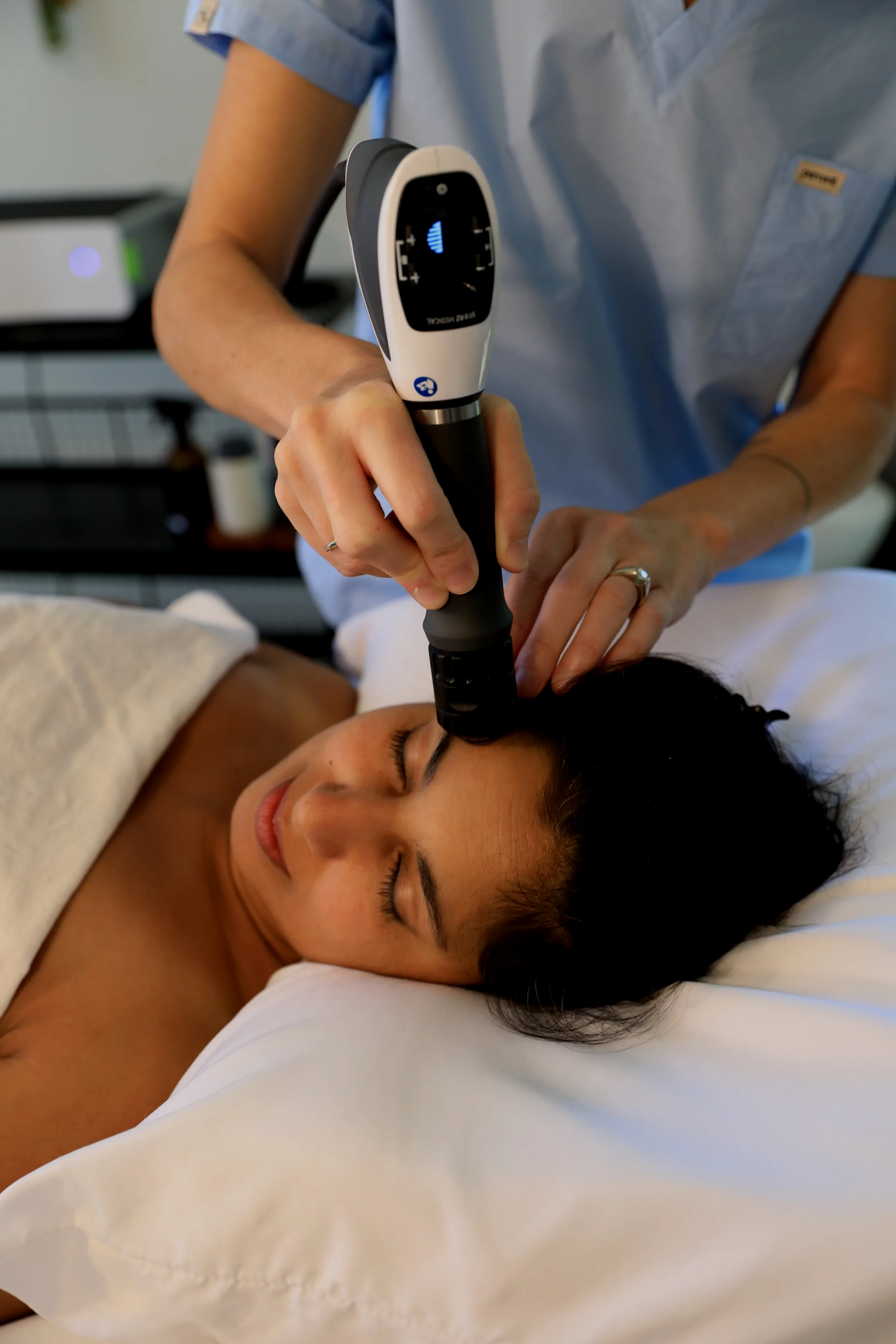
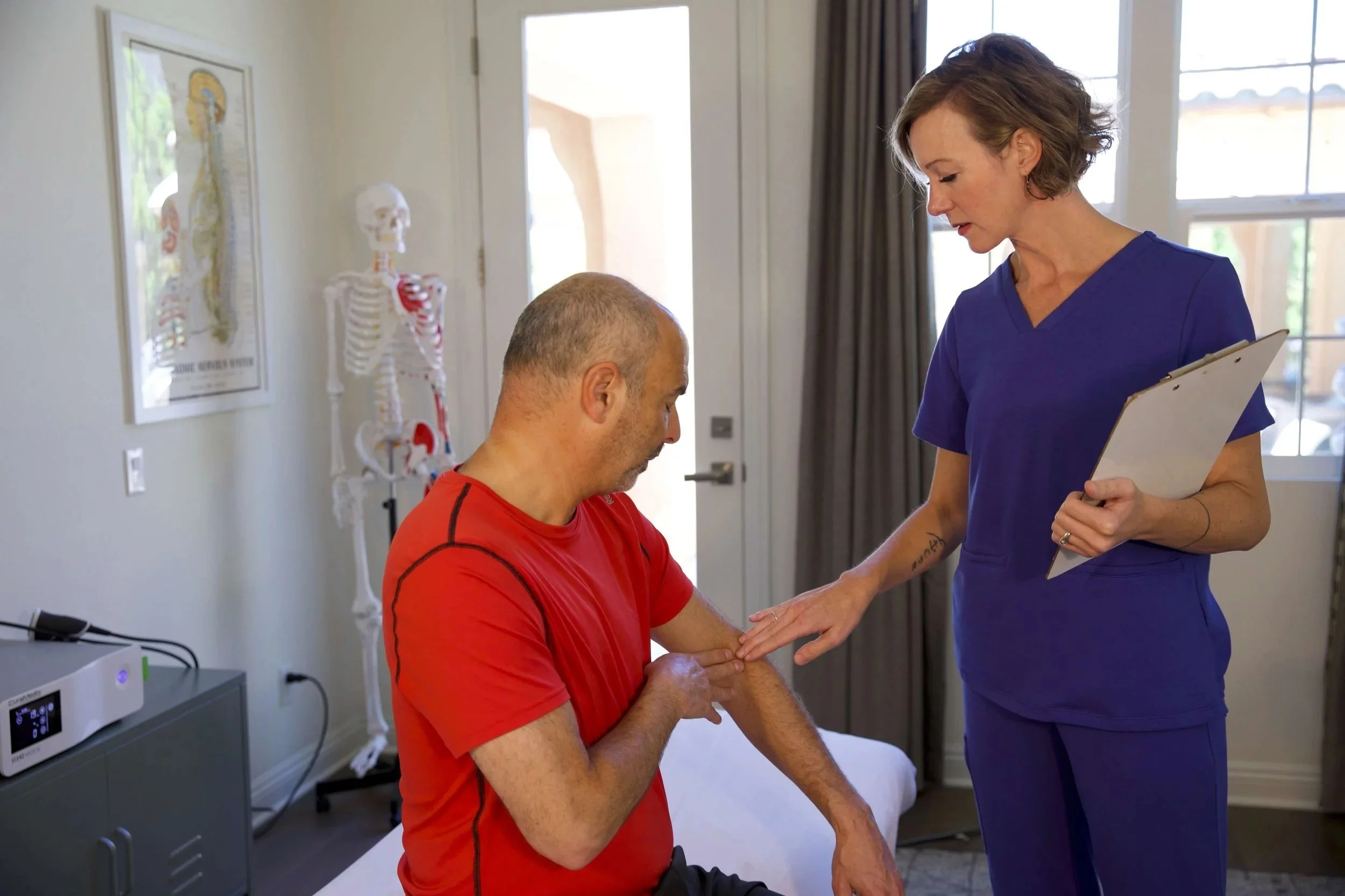
Each session at Neuro Body® is designed to be both therapeutic and insightful. From your initial assessment to hands-on treatment, the focus is on understanding your body as a whole—identifying patterns, uncovering the root of discomfort, and creating a customized approach to support your healing. Here’s what you can expect when you begin your journey with us:
1. Initial Assessment & Consultation
Each session begins with a focused one-on-one assessment to understand your body as a whole. We review your medical history, current concerns, and goals to identify patterns and uncover the root contributors to discomfort.
2. Personalized Treatment
Treatment is tailored to your specific needs and may include non-invasive, hands-on therapies selected to reduce pain and improve function. Care considers the body as an interconnected system, not just the site of symptoms.
3. Ongoing Care & Refinement
As your body responds, treatment is adjusted to support continued progress—shifting from symptom relief toward improved movement, stability, and long-term resilience.
Frequently Asked Questions
-
Sessions are 60 minute & 90 minute sessions.
-
No significant downtime—this is non-invasive, so you can usually return to normal activities, work, or driving immediately. Mild soreness (like after a workout) may occur for 24–48 hours; avoid high-impact activities or heavy loading on the area for the first day or two if advised.
-
Most patients feel immediate relief or reduced pain after the first session.
Improvements often start after 1–3 sessions, with progressive benefits over weeks to months as healing continues. Clinical studies recommend completing at least 6-12 sessions. Full resolution can vary, but many report significant long-term pain reduction quickly.
-
Side effects are usually mild and temporary: redness, possible slight swelling, or soreness at the site (resolving in hours to days). Rare issues include temporary increased pain or minor skin irritation. Serious complications are very uncommon.
-
The therapy is contraindicated in: pregnancy, active cancer near the site, acute infections/inflammation, blood clotting disorders or anticoagulant use (with caution). Recent cortisone injections (wait 4+ weeks). Over growth plates in children. Always disclose medical history.
-
Ideal for those with chronic (3+ months) musculoskeletal pain that hasn’t resolved from rest, physical therapy, medications, orthotics, or injections. It’s great for active people avoiding surgery, or as a preventative health option. It is also for those seeking non-invasive options and want to increase daily performance,
-
Yes—strongly recommended. Combining with rehab exercises, stretching, strengthening, pilates or gyrotonic often yields the best, longest-lasting results. Movement can support the patterns in the body, while shockwave addresses the underlying issues.
-
No—radial therapy is often called radial pressure wave, EPAT, rather than true shockwave.
True/focused shockwave uses electromagnetic/electrohydraulic methods to create high-energy waves converging at depth. Radial uses pneumatic ballistic action (projectile striking applicator) to produce lower-energy pressure waves that disperse radially. Many experts note radial is effective for superficial issues but not identical to focused in physics or depth/energy. Clinical outcomes are often similar.
-
Many patients experience long-term or permanent relief once the mechanism of injury’s integrity is restored.
Effects build over time; for stubborn conditions, benefits can last years if combined with rehab/movement management. Some need occasional maintenance sessions if underlying biomechanics persist or other areas are contributing to the dysfunction.
-
Yes—many radial devices are FDA-cleared for musculoskeletal conditions (e.g., pain relief in plantar fasciitis, tendinopathies). It is considered safe and evidence-based, though clearance varies by specific device/condition
-
Non-invasive alternative: avoids risks of injections (e.g., tissue weakening from steroids) or surgery (recovery, complications). Often more cost-effective long-term; studies show comparable or better outcomes for chronic tendinopathies vs. repeated injections, with fewer side effects.
-
Popular/reputable: Storz Medical, EMS Swiss DolorClast, Chattanooga Intelect, Zimmer enPuls, or similar ballistic pneumatic devices. Quality varies by energy output, applicator options, and evidence backing—clinics often highlight FDA-cleared, clinically tested models.
Storz Medical is used at Neuro Body®
-
Best for chronic conditions (3 months). Acute injuries may need rest/anti-inflammation first; starting too early could aggravate. Providers assess to ensure appropriate therapy start time.
-
Yes—it breaks down fibrotic tissue, improves mobility, and promotes tissue remodeling. Useful for post-injury scar tissue, myofascial restrictions, or chronic tightness.
-
Yes—it is FDA-cleared for many uses, non-invasive, with a strong evidence base and minimal risks when done by qualified providers. No known long-term side effects, and it avoids risks of surgery or repeated injections.
-
Before: Clinical protocol recommends to avoid NSAIDs/anti-inflammatories (they can interfere), stay hydrated, wear comfortable clothing.
After: Clinical protocol recommends to avoid ice/heat, no heavy NSAIDs for 24–48 hours, stay active with gentle movement, but avoid aggravating the area, follow any rehab plan, and report unusual symptoms.
-
The advantages are:
Non-invasive alternative to surgery/injections
Stimulates natural healing
Effective for chronic cases
Minimal side effects
Often faster recovery than conservative care alone
Good evidence, clinical trials and extensive research for tendinopathies/fasciopathies.
-
Yes—it’s particularly valuable for recalcitrant (stubborn) chronic conditions where physio, rest, meds, or injections have not resolved the issue, as it targets stalled healing and promotes regeneration.